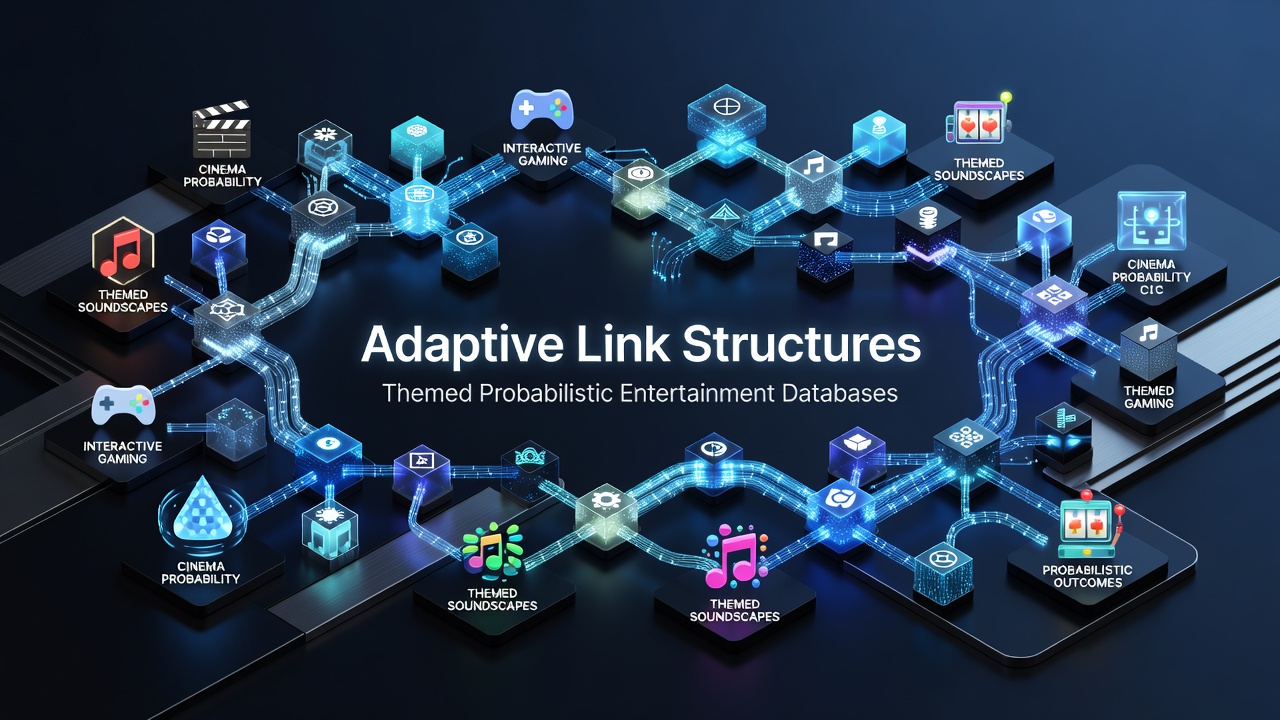
Adaptive Link Structures in Themed Probabilistic Entertainment Databases
Adaptive link structures organize connections between entries in databases that store themed probabilistic entertainment content and these systems adjust pathways automatically based on user selections, thematic categories, and content updates while researchers describe them as networks that respond to patterns in data access rather than fixed routes.
Developers build these structures to handle collections where each item carries probability calculations for outcomes and themes range from historical settings to futuristic scenarios so the links shift to maintain relevance as new material enters the archive or as existing entries receive updates.
Core Components of Adaptive Systems
Databases rely on algorithms that monitor interaction data and these algorithms recalculate link priorities when certain themes show increased activity while nodes representing individual games or experiences connect through weighted edges that change strength according to usage frequency and thematic similarity scores.
Engineers integrate metadata tags for each entry so the system identifies shared elements across different probability models and this tagging allows the structure to reroute traffic toward complementary content without manual intervention from administrators.
Implementation in Themed Collections
Themed probabilistic entertainment databases group entries by narrative elements such as space exploration or ancient civilizations and adaptive links ensure that visitors move between related probability mechanics within teh same theme and this organization supports efficient navigation across thousands of entries.
One case involves a database that added new seasonal themes in early 2026 and the link structure adjusted within hours to prioritize connections between the new additions and established entries that shared similar probability distributions and observers note that such rapid adaptation reduces dead ends for users exploring the collection.
Data from the Alcohol and Gaming Commission of Ontario shows increased emphasis on technical infrastructure for online gaming platforms during 2025 and 2026 and these figures align with broader industry adoption of dynamic routing methods in entertainment archives.
Technical Mechanisms Driving Adaptation
Graph theory provides the foundation for many adaptive structures because entries function as vertices and connections act as edges that receive real-time weight adjustments based on access logs and thematic overlap metrics and this approach allows the system to prioritize paths that connect high-engagement probability models within popular themes.
Machine learning models often support the adaptation process by predicting which links will serve future queries and training occurs on historical access patterns so the structure anticipates shifts before they become widespread and this predictive layer distinguishes adaptive systems from static directories.
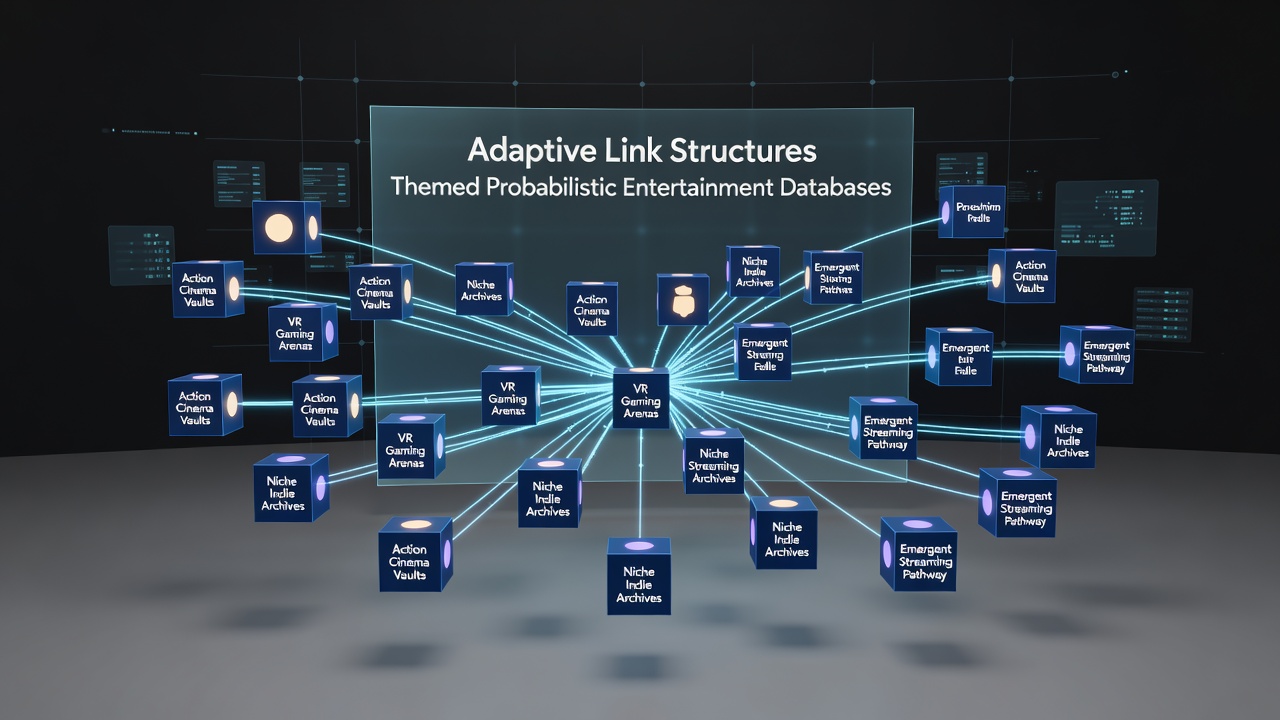
Developments Around July 2026
Reports indicate that several large entertainment database operators completed infrastructure upgrades during July 2026 and these upgrades focused on improving the responsiveness of link adaptation to handle simultaneous theme launches across multiple regions and the changes coincided with expanded use of cloud-based graph databases that scale edge calculations more effectively.
Industry organizations such as the American Gaming Association documented corresponding growth in the number of themed collections that rely on automated routing and these records highlight how link structures now manage higher volumes of cross-theme recommendations without increased latency.
Challenges in Maintaining Accuracy
Ensuring that adaptive links remain accurate presents ongoing technical demands because probability models within entries can receive updates that alter their compatibility with other themes and systems must detect these changes quickly to avoid routing users toward mismatched content.
Security considerations also influence design choices since unauthorized alterations to link weights could disrupt user pathways and administrators implement verification layers that confirm each adaptation before it takes effect in the live structure.
Conclusion
Adaptive link structures continue to evolve as central elements in themed probabilistic entertainment databases and they provide the flexibility needed to connect growing collections of probability-based experiences while maintaining thematic coherence and efficiency for users navigating these archives and ongoing technical refinements suggest further integration of predictive methods in the years ahead.