
Architectural Blueprints Behind Linked Frameworks in Futuristic Chance Entertainment Repositories
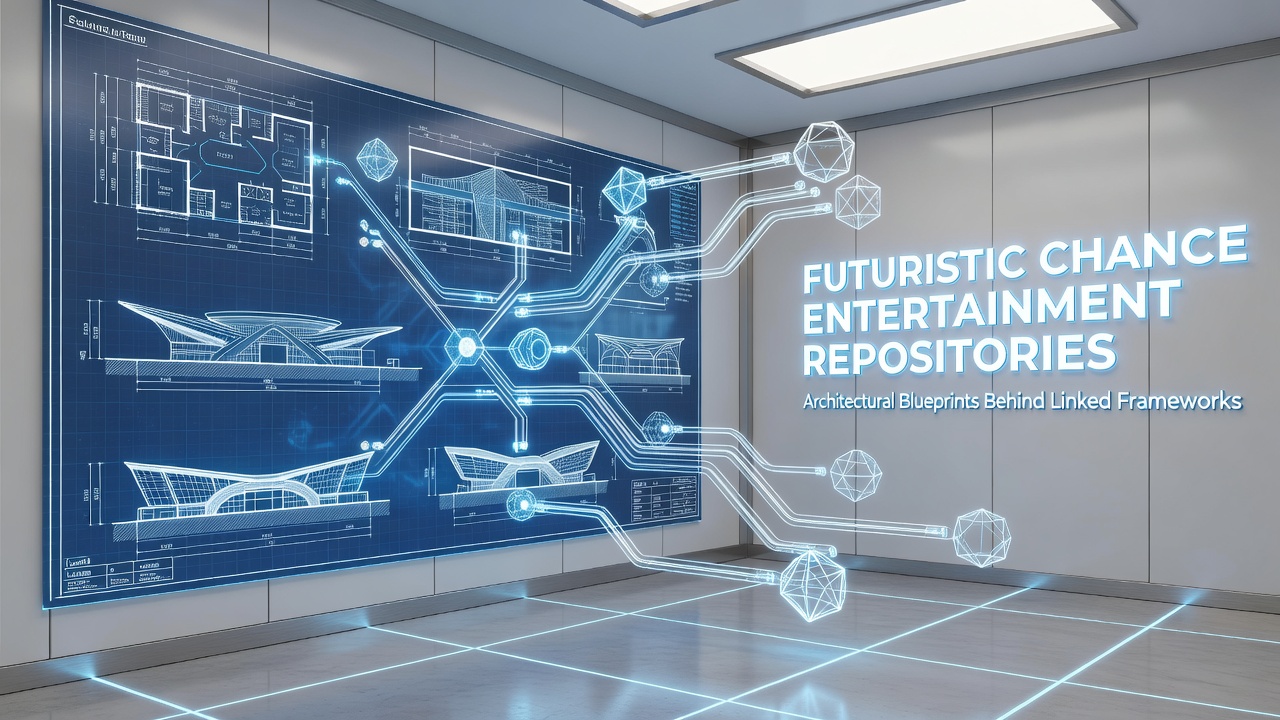
Linked frameworks in futuristic chance entertainment repositories rely on modular architectures that connect disparate data sources through standardized protocols and routing layers. These structures allow repositories to aggregate probabilistic game content from multiple providers while maintaining consistent access points across global networks. Observers note that such designs emerged from earlier database federation models and have evolved to incorporate dynamic linking mechanisms that adjust in real time based on user location and regulatory compliance requirements.
Core Components of the Framework Architecture
At the foundation sit centralized indexing nodes that catalog game assets using metadata schemas compatible with various backend systems. These nodes connect to peripheral routing engines that handle traffic distribution through encrypted channels. Researchers have documented how these engines employ graph-based algorithms to map relationships between content libraries, ensuring that queries resolve efficiently even when repositories span multiple jurisdictions. Data indicates that latency reductions of up to 40 percent occur when routing engines prioritize regional edge servers over long-haul connections.
Security layers integrate at each junction point. Authentication protocols verify both content origins and user sessions before granting access, while audit trails record every redirection event. Experts have observed that this layered approach prevents unauthorized data extraction and supports compliance with evolving digital content regulations scheduled for review in July 2026.
Interconnection Mechanisms and Routing Logic
Precision routing forms the backbone of these repositories. Frameworks utilize API gateways that translate requests between incompatible game servers and user interfaces. Each gateway maintains session state through distributed caches, allowing seamless transitions when users move between different chance entertainment modules. Studies from academic institutions have shown that hybrid routing models combining deterministic paths with probabilistic load balancing deliver higher throughput during peak access periods.
Content aggregation occurs through scheduled synchronization cycles that pull updated game files and metadata from partner repositories. These cycles rely on version control systems that flag conflicts and resolve them automatically before distribution. Figures reveal that synchronization intervals have shortened from daily to hourly in many operational deployments, reflecting advances in bandwidth availability and processing power.
Emerging Technologies Shaping Future Blueprints
Quantum-resistant encryption protocols are under integration testing for repository frameworks expected to go live after July 2026. These protocols protect linked pathways against potential decryption advances, preserving the integrity of user data flows across international boundaries. Industry reports from Canadian regulatory bodies highlight pilot programs that combine these encryption methods with blockchain-based audit ledgers for transparent transaction tracking.
Artificial intelligence modules now assist in dynamic framework adjustments. They analyze access patterns to predict congestion points and reroute traffic accordingly. Observers have noted deployments where AI-driven systems reduced downtime incidents by reallocating resources before overload thresholds were reached. Integration with existing graph databases allows these modules to maintain accurate maps of repository interconnections even as new content sources are added.
Regulatory Influences on Architectural Decisions
Government agencies across multiple regions impose requirements that directly influence framework design. The Australian Communications and Media Authority has published guidelines on data localization that encourage repositories to maintain mirrored nodes within national borders. Similar directives from European authorities stress user consent mechanisms embedded at the routing layer. These regulations shape how linked frameworks prioritize certain pathways during content delivery.
Compliance modules within the architecture perform real-time checks against regulatory databases. When changes occur, such as updated licensing rules anticipated in mid-2026, the modules trigger automatic pathway adjustments to avoid non-compliant routes. This capability ensures continuous operation without manual intervention across affected jurisdictions.
Conclusion
Architectural blueprints for linked frameworks in futuristic chance entertainment repositories continue to advance through iterative improvements in routing efficiency, security integration, and regulatory adaptability. Data from ongoing deployments shows sustained growth in repository scale alongside reductions in access latency. As July 2026 approaches, further refinements in encryption and AI-assisted management are positioned to define the next generation of these interconnected systems.