Charting Interlinked Access Points for Specialized Probabilistic Recreation Indexes
Specialized probabilistic recreation indexes function as structured databases that compile probability distributions and outcome frequencies across niche gaming formats, and charting their interlinked access points requires systematic mapping of digital portals that connect users to these repositories. Observers note that these indexes often aggregate data from lotteries, simulated chance environments, and regulated wagering archives, creating networks where entry points serve as gateways for retrieval and analysis. Researchers have documented how such systems rely on layered routing mechanisms to maintain data integrity while allowing controlled dissemination across multiple platforms.
Core Components of Access Point Networks
Access points in these indexes typically include API endpoints, web portals, and authenticated dashboards that link back to centralized probability models. Data indicates that each node maintains specific protocols for query handling, ensuring that requests for specialized metrics route through verified channels before returning aggregated statistics. Experts have observed that redundancy in these links helps sustain uptime during peak query periods, particularly when users seek historical variance calculations or distribution tables for particular recreation categories. One study revealed that network architects prioritize geographic distribution of servers to reduce latency for international researchers accessing the same index simultaneously.
Mapping Techniques Employed by Industry Analysts
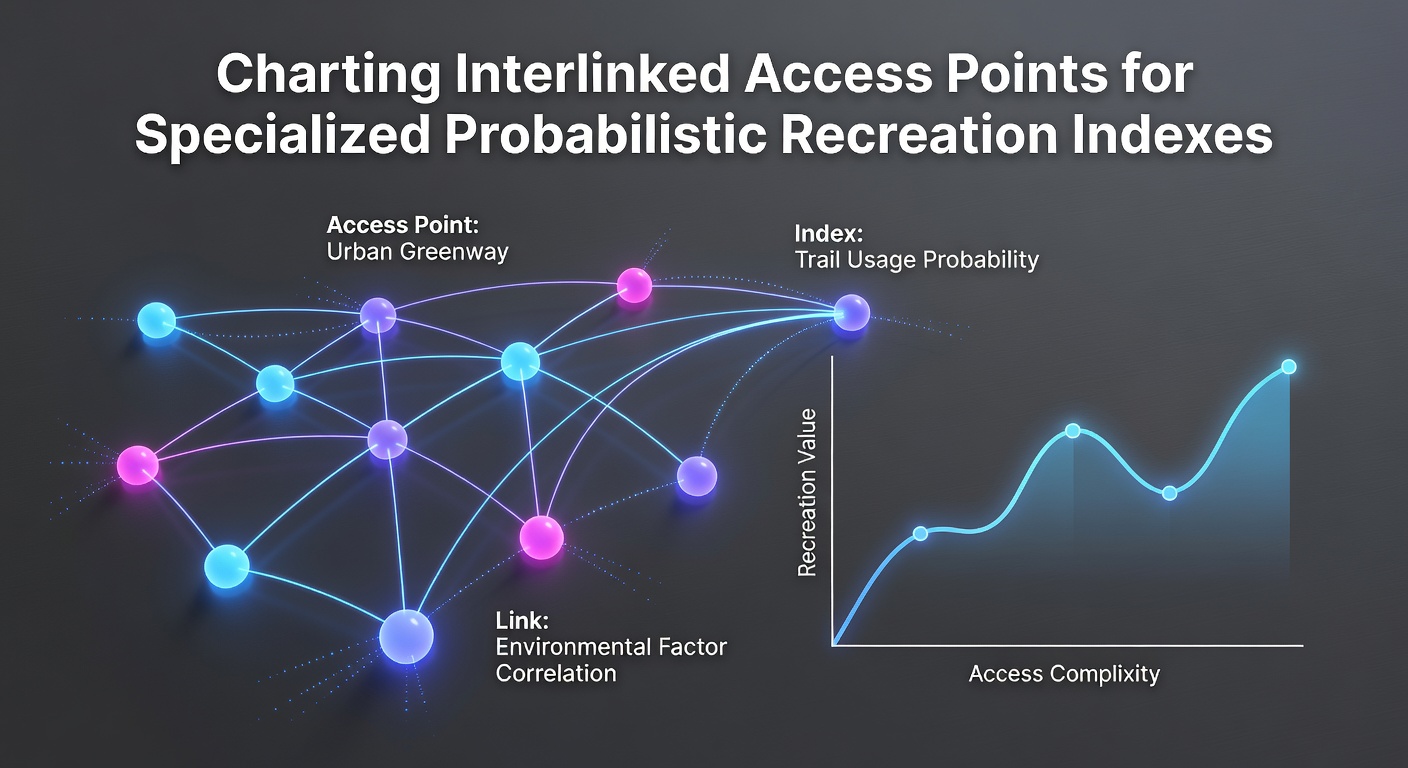
Professionals chart these interlinked structures through graph-based visualization tools that represent access points as vertices and data pathways as edges. According to reports from the Malta Gaming Authority, such visualizations assist regulatory bodies in monitoring compliance across distributed systems. Analysts apply algorithms that trace redirect chains and permission layers, revealing how primary indexes connect to subsidiary archives without exposing raw probability seeds. Those who've studied this process know that iterative testing of link resilience forms a standard step, allowing teams to identify single points of failure before deployment.
Developments Anticipated for May 2026
Industry projections point to expanded integration standards scheduled for rollout in May 2026, when several European and North American operators plan to synchronize their access protocols with updated indexing schemas. Figures from the Canadian Centre on Substance Use and Addiction show rising demand for cross-border data sharing, prompting developers to refine authentication sequences that govern entry into specialized recreation indexes. This synchronization effort focuses on standardizing metadata tags that describe probability parameters, enabling smoother navigation between regional databases while preserving jurisdictional boundaries on sensitive metrics.
What's interesting is how these changes intersect with existing infrastructure. Legacy portals built around earlier routing methods must accommodate new query formats without disrupting ongoing data flows. There's this case where experts found that phased migration approaches reduced downtime by nearly forty percent during similar updates in prior years. Observers note that documentation practices have evolved to include detailed flowcharts that accompany each access point, helping maintenance teams trace anomalies back to their origin nodes.

Regional Variations in Implementation
Implementation patterns differ by jurisdiction. Australian regulatory frameworks emphasize audit trails that log every access attempt to recreation indexes, whereas certain U.S. state commissions prioritize real-time monitoring dashboards that flag unusual query volumes. The National Council on Problem Gambling has published resources that outline how transparent charting of access points supports responsible data usage across these varied environments. Those mapping the networks often discover that hybrid models combining both approaches yield the most adaptable architectures for global users.
Turns out that security layers embedded within these access points frequently incorporate multi-factor verification tied to user roles. Academic papers from research institutions have examined how role-based permissions limit exposure of granular probability data while still permitting aggregate analysis. Researchers discovered that encryption standards applied at the routing level further safeguard index integrity during transmission between linked portals.
Practical Applications in Data Retrieval
Users ranging from academic statisticians to compliance officers rely on well-charted access points to extract targeted subsets from larger recreation indexes. These extractions support everything from trend analysis of outcome frequencies to validation of simulation models. Evidence suggests that organizations maintaining comprehensive link inventories experience fewer retrieval errors when cross-referencing multiple indexes simultaneously. People who've worked with these systems often discover that maintaining updated diagrams of interlinked pathways proves essential during audits or system expansions.
Conclusion
Charting interlinked access points for specialized probabilistic recreation indexes continues to evolve alongside advances in data routing and regulatory expectations. As operators prepare for the integration milestones projected in May 2026, the emphasis remains on precise documentation and resilient network design. Those engaged in this field recognize that effective mapping supports both operational efficiency and compliance across diverse geographic regions. Continued refinement of these charting methods ensures that specialized indexes remain accessible through secure, verifiable pathways.