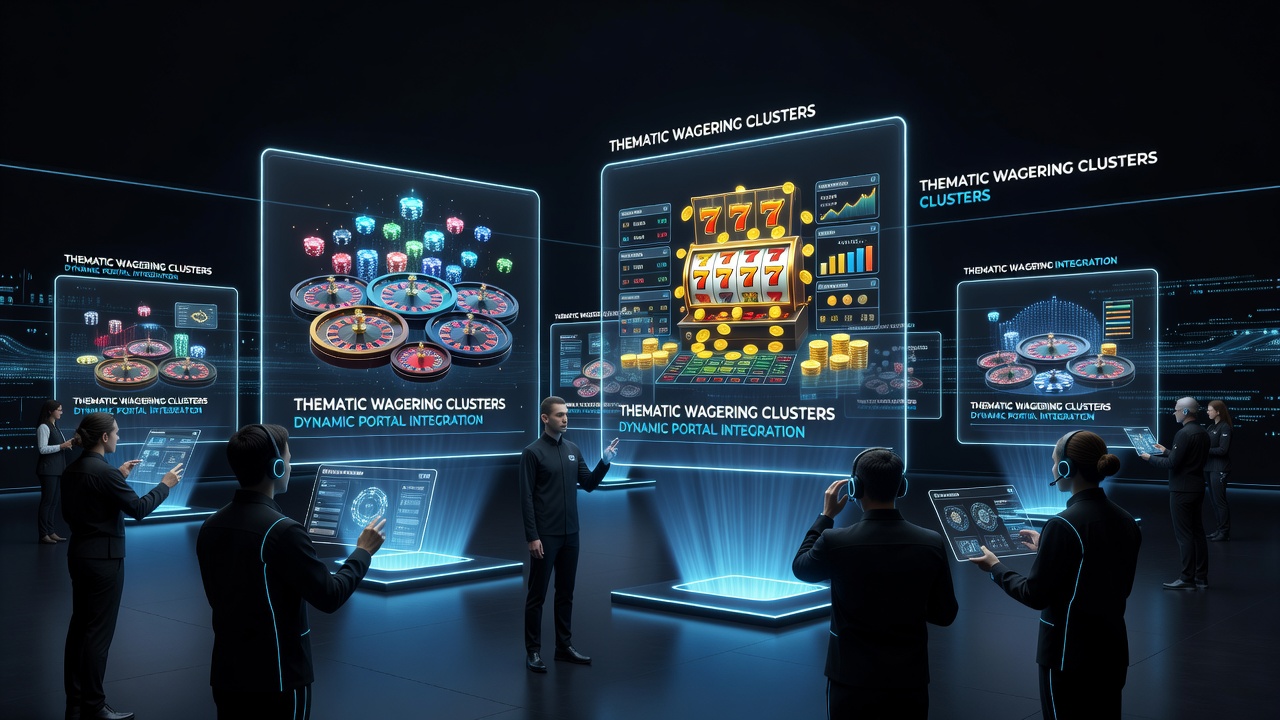
Constructing thematic clusters of interactive wagering tools through dynamic portal integrations in advanced entertainment frameworks
Advanced entertainment frameworks now incorporate thematic clusters of interactive wagering tools that connect through dynamic portal integrations, and these systems organize games, betting interfaces, and user controls into focused groups while portals handle real-time data exchange across multiple platforms. Researchers at institutions studying digital recreation have documented how such constructions allow operators to group tools by themes such as live event wagering or probability-based simulations without requiring separate standalone applications for each category.
Core Components of Thematic Clustering
Developers assemble thematic clusters by mapping user interaction patterns to specific content categories, and this process relies on metadata tags that link tools like simulation engines, odds calculators, and session trackers into cohesive units. Data from industry reports indicate that clustering reduces navigation steps for participants while maintaining separate backend modules that update independently, and experts have observed this structure in frameworks deployed across North American and European markets where regulatory requirements differ by jurisdiction.
Portal integrations serve as the connective layer that pulls information from these clusters into unified displays, and they employ API endpoints that refresh content based on session variables such as location or preference settings. In August 2026 several frameworks expanded these integrations to accommodate new regulatory reporting standards issued by Canadian provincial authorities, which required enhanced tracking of tool usage across clustered categories.
Integration Mechanisms and Data Flows
Dynamic portals operate through modular connectors that pull thematic elements into user interfaces without full page reloads, and this approach draws on established web service protocols that have been adapted for entertainment environments. Observers note that these connectors manage authentication tokens and content synchronization simultaneously, which allows clusters focused on skill-based challenges to coexist with those centered on chance mechanics while sharing common user account data.
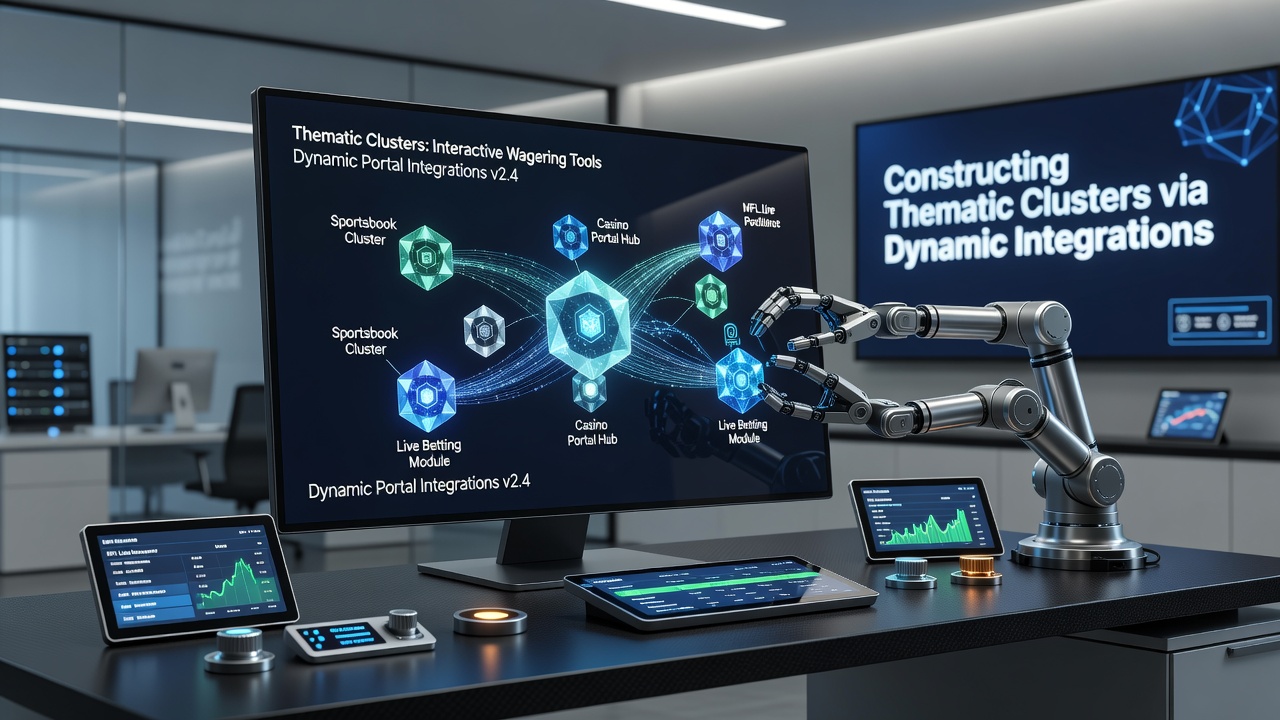
According to findings published by the Australian Gambling Research Centre, frameworks using portal-based clustering showed measurable improvements in session continuity when users moved between themed tool sets. The study tracked integration performance across multiple operator systems and highlighted how data routing layers prevented overlap between distinct clusters during peak usage periods.
Implementation in Broader Entertainment Systems
Entertainment companies have adopted these construction methods to embed wagering tools within larger media ecosystems that include streaming content and social features, and the portals act as gateways that maintain separation between entertainment modules while enabling cross-theme access. Those who have examined deployment records note that integration points are often positioned at the architecture layer responsible for user state management, which reduces latency when switching between clusters dedicated to different wagering formats.
Trade associations representing gaming technology providers have reported that standardized portal specifications facilitate faster updates when new tools are added to existing thematic groups. In practice this means an operator can introduce a new simulation module into a sports-focused cluster without altering the underlying portal logic that serves other categories such as table game interfaces.
Regulatory and Technical Considerations
Frameworks operating under oversight from bodies like the Nevada Gaming Control Board must ensure that portal integrations log all cluster transitions for compliance audits, and similar requirements appear in guidelines issued by several Australian state regulators. Technical documentation from these sources emphasizes the need for encryption standards that cover data exchanges between clustered tools and the central portal layer.
Industry organizations such as the European Gaming and Betting Association have compiled case examples showing how thematic clustering supports localized content delivery without fragmenting the overall user experience. These examples illustrate portals that detect regional restrictions and adjust visible clusters accordingly while preserving core integration pathways.
Conclusion
Constructing thematic clusters through dynamic portal integrations represents a structural approach that organizes interactive wagering tools within advanced entertainment frameworks, and ongoing refinements in August 2026 and beyond continue to align these systems with evolving technical and regulatory demands across different regions. The combination of metadata-driven grouping and real-time portal connectivity provides the foundation for scalable implementations that accommodate diverse content categories while maintaining operational coherence.