Invisible Threads: How Redirect Networks Assemble Comprehensive Chance Game Libraries
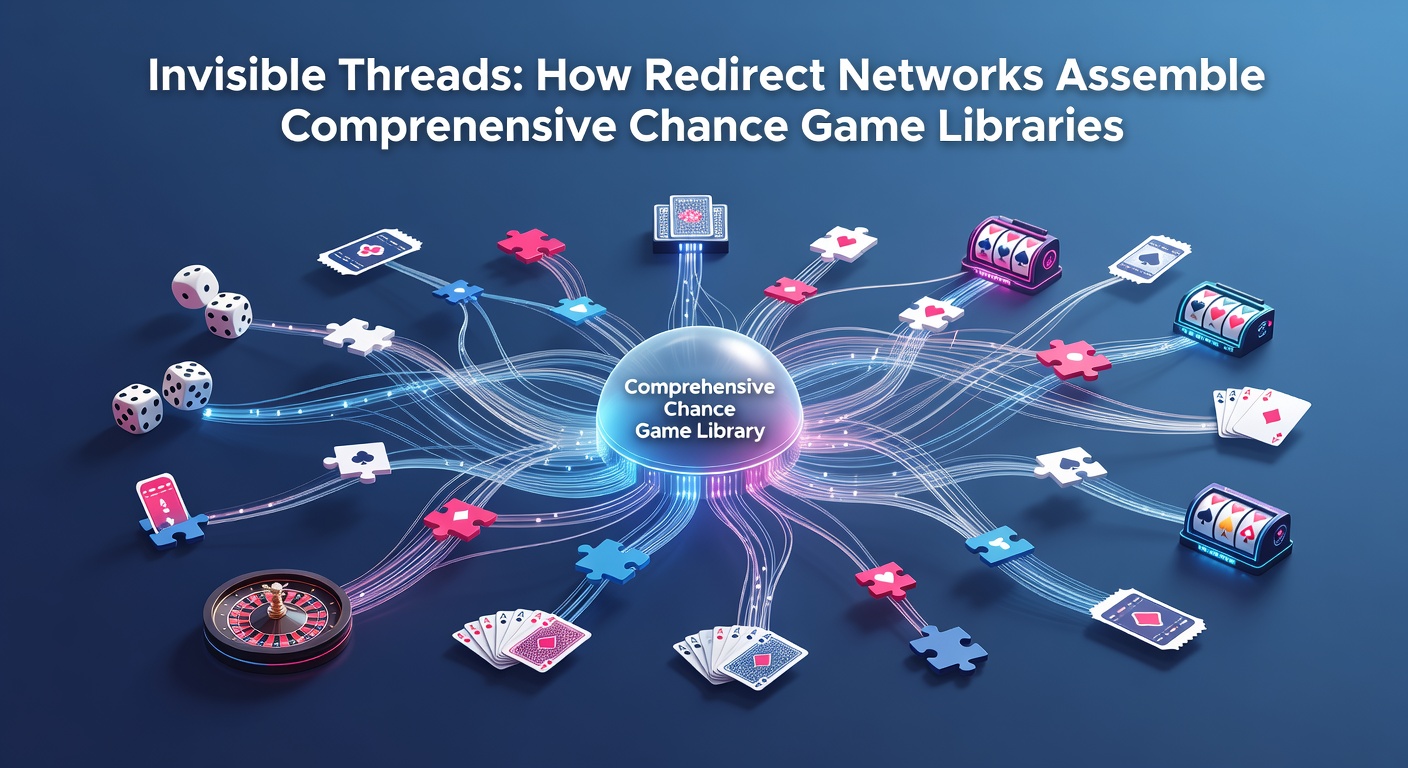
Redirect networks operate as the backbone infrastructure that links disparate chance game providers into unified libraries accessible through online platforms and directories. These systems rely on automated URL forwarding mechanisms that track user navigation while aggregating titles from slots, table games, and instant win formats across dozens of suppliers. Data from the North American Association of State and Provincial Lotteries shows steady expansion in library sizes throughout 2025, with average collections reaching 2,400 titles per major aggregator by early 2026.
Mechanics Behind the Assembly Process
Each redirect functions through server-side scripts that capture referral data, apply affiliate parameters, and forward visitors to the appropriate game server without exposing the underlying connection paths. Developers configure these threads using API endpoints that pull metadata such as RTP percentages, volatility ratings, and jackpot pools from individual studios. Observers note that the process begins when a central directory server receives a user query, then distributes the request across a mesh of partner endpoints that respond with game availability status in milliseconds. This layered approach allows libraries to update dynamically as new releases enter rotation.
Integration of Diverse Game Categories
Chance game libraries expand through systematic incorporation of categories that range from classic reel slots to live dealer tables and progressive jackpot systems. Redirect pathways prioritize high-volume titles during initial indexing, then layer in niche offerings such as crash games or virtual sports simulations once baseline traffic stabilizes. In May 2026, several aggregator platforms reported adding 180 new titles monthly through refined redirect protocols that prioritize low-latency connections between European and Asian studios. The result creates seamless browsing experiences where users transition between providers without noticing server handoffs.
Role of Tracking Parameters and Data Exchange
Redirect networks embed tracking tokens within each forwarded link that record session duration, game selection patterns, and conversion events. These parameters feed back into central databases that refine library recommendations based on aggregated performance metrics. Research conducted by the University of Nevada's International Gaming Institute indicates that optimized redirect chains improve title discovery rates by 34 percent compared to static directories. Operators adjust these threads seasonally to accommodate regulatory changes in different jurisdictions while maintaining continuous access to core game catalogs.
Scalability Across Global Provider Networks
Comprehensive libraries achieve scale when redirect systems connect studios operating under varied licensing frameworks from regions including Malta, Gibraltar, and multiple Canadian provinces. Each connection undergoes validation checks that confirm game certification status before inclusion in the master index. This validation step prevents duplication and ensures compliance flags appear alongside game entries. Traffic distribution algorithms balance load across servers so that simultaneous user spikes do not interrupt access to any single category within the assembled collection.
Maintenance and Continuous Library Growth
Network administrators monitor redirect performance through real-time dashboards that flag broken pathways or expired partner agreements. Scheduled audits replace outdated endpoints with fresh connections as studios release updated versions or introduce new mechanics. The process supports incremental growth without requiring full directory rebuilds, allowing operators to introduce limited-time promotions tied to specific titles while preserving the overall structure of the library. Figures from industry monitoring services reveal that well-maintained redirect meshes sustain uptime above 99.4 percent across multi-region deployments.
Conclusion
Redirect networks continue to serve as the connective tissue that transforms individual chance game offerings into expansive, searchable libraries. Their technical architecture supports ongoing expansion through automated data exchange and compliance verification, ensuring directories remain current as new providers enter the market. As infrastructure evolves, these invisible threads maintain the operational continuity that allows comprehensive collections to function reliably for users worldwide.