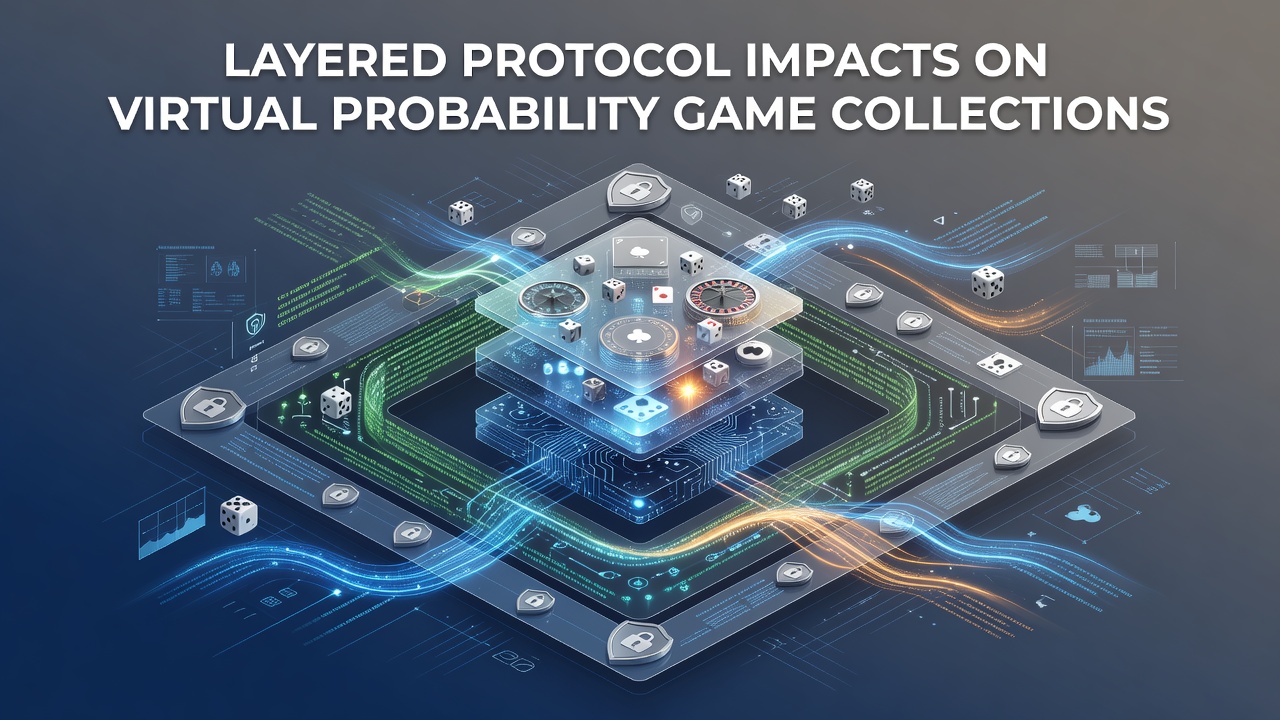
Layered Protocol Impacts on Virtual Probability Game Collections
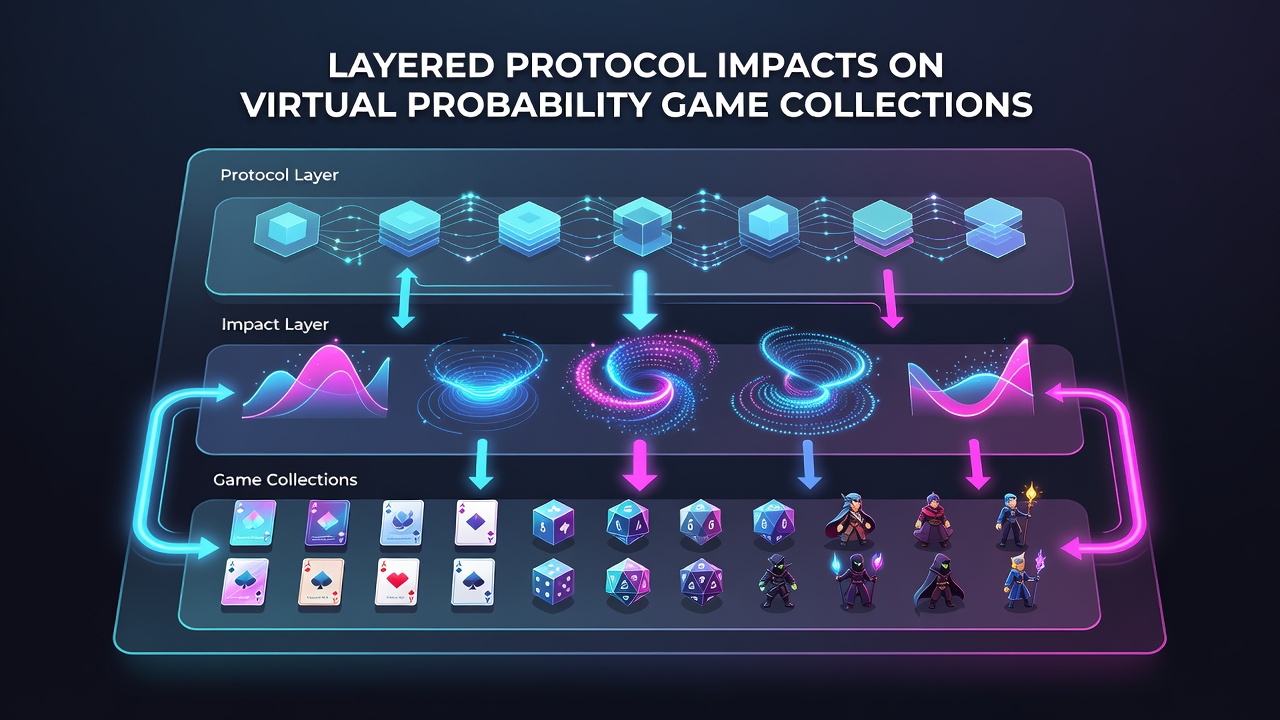
Layered protocols form the backbone of data transmission in virtual probability game collections, where each stratum handles distinct functions from physical signal delivery through to application-level interactions. These structures, including the TCP/IP suite and OSI model equivalents, shape how random number generators synchronize across distributed servers and client interfaces while maintaining consistent outcomes in games such as slots and table simulations. Observers note that transmission control mechanisms at the transport layer directly influence packet sequencing, which affects the real-time delivery of probability calculations to end users.
Core Protocol Layers and Their Roles
The physical and data link layers manage hardware connections and error detection on local networks, ensuring that signals carrying game data remain intact during initial routing through fiber optics or wireless channels. Network layer protocols like IP handle addressing and routing across global infrastructures, allowing collections of probability-based titles to operate from centralized servers to players in varied geographic regions. Transport layer functions, particularly those in TCP, establish reliable connections that retransmit lost segments, a process critical when virtual reels or card draws require precise synchronization to uphold fairness standards.
Application layer protocols then interface with game engines, formatting requests for random outcomes and delivering results in structured packets. Researchers at institutions tracking digital entertainment systems have documented how these stacked interactions create dependencies, where disruptions at lower layers cascade upward to delay session starts or interrupt ongoing play sequences.
Performance Effects on Game Accessibility
Latency introduced at multiple protocol stages can alter the perceived responsiveness of probability game libraries, especially in collections that aggregate hundreds of titles with varying computational demands. UDP-based alternatives at the transport level reduce overhead for time-sensitive elements like live dealer feeds, yet they trade reliability for speed, prompting developers to implement custom error correction routines. Data from industry reports indicates that average round-trip times below 50 milliseconds support seamless collection navigation, while higher values correlate with increased session abandonment rates in regions with congested routing paths.
Security protocols embedded within the stack, such as TLS at the presentation layer, encrypt probability data streams to prevent interception during transmission. This encryption adds computational layers that slightly elevate processing times, yet regulatory frameworks in multiple jurisdictions require such measures to protect player information and game integrity. The American Gaming Association has highlighted instances where enhanced encryption at protocol boundaries helped maintain compliance during large-scale deployments of virtual game archives.
Regional Developments and 2026 Considerations
By June 2026, updates to protocol standards are scheduled to intersect with evolving requirements for virtual probability systems in North American and European markets. Canadian regulatory bodies have outlined timelines for integrating IPv6 addressing into gaming networks, which expands address space and reduces network address translation delays that previously affected cross-border access to game collections. These changes coincide with broader shifts toward quantum-resistant encryption methods at the security layer, addressing potential vulnerabilities in long-term data protection for probability algorithms.
Similar preparations appear in Australian oversight reports, where emphasis falls on transport layer optimizations that support higher throughput for mobile-based probability games. Figures from academic studies on networked entertainment reveal that protocol tuning in these environments has lowered average packet loss rates by measurable margins, directly benefiting the stability of expansive game libraries.
Integration Challenges Across Collections
Assembling diverse probability game offerings demands careful alignment of protocol configurations to avoid conflicts between legacy systems and modern stacks. One documented case involved a platform transition where mismatched MTU sizes at the network layer caused fragmentation issues, leading to incomplete random sequence deliveries until adjustments were applied. Those overseeing such collections often implement monitoring tools that track layer-specific metrics, enabling proactive identification of bottlenecks before they impact user sessions.
Interoperability testing between different jurisdictional networks further complicates matters, as protocol variations can influence how game servers authenticate and exchange verification data. Evidence from collaborative research projects shows that standardized gateway protocols at the session layer help bridge these gaps, facilitating smoother aggregation of titles from multiple providers.
Conclusion
Layered protocol frameworks continue to define operational boundaries for virtual probability game collections through their sequential handling of data from origin to destination. As technological refinements progress into 2026, the interplay between these layers will likely determine scalability and compliance pathways for expanding archives of chance-based entertainment. Continued analysis from regulatory and academic sources provides the metrics necessary to evaluate these dynamics objectively across global implementations.