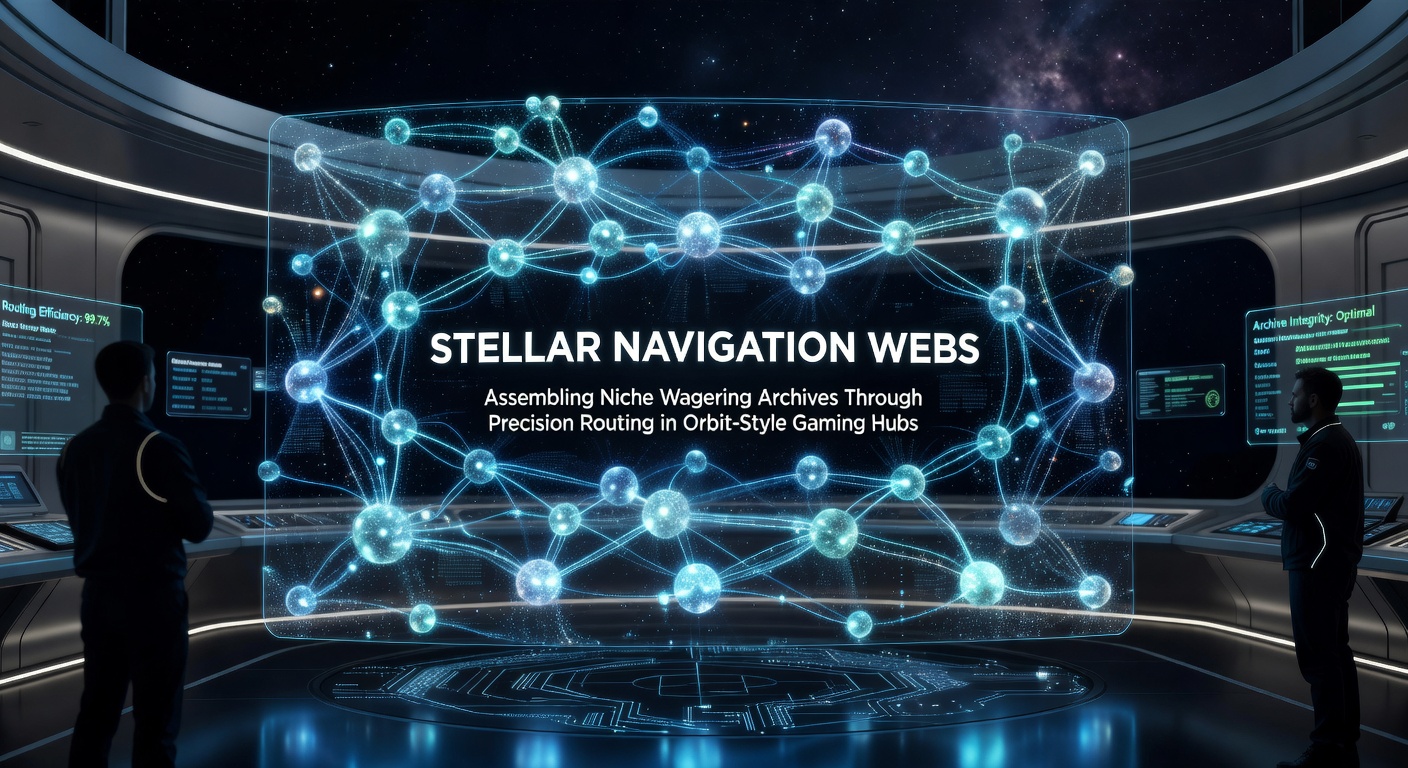
Stellar Navigation Webs: Assembling Niche Wagering Archives Through Precision Routing in Orbit-Style Gaming Hubs
Experts in digital infrastructure note that stellar navigation webs operate as layered routing frameworks designed to connect users with specialized wagering options across decentralized online environments. These systems rely on precision pathways that map player preferences to niche game libraries, creating structured archives without relying on centralized servers. Data from industry reports shows that such webs emerged from earlier redirect technologies used in online gaming directories, yet they now incorporate orbital-style hub models where platforms function like independent nodes in a larger network. Operators build these webs by assigning unique identifiers to each gaming hub, allowing traffic to flow through encrypted channels that maintain session integrity while directing users toward targeted content. Researchers at various academic institutions have documented how this approach reduces latency in high-volume wagering environments, particularly when archives include rare game variants such as themed table games or limited-edition slots. Precision routing ensures that queries about specific wager types resolve quickly, pulling from distributed databases that update in real time.Mechanics of Precision Routing in Orbital Hubs
Precision routing functions through algorithmic mapping that matches user inputs with available wagering archives stored across multiple orbit-style platforms. Each hub maintains its own catalog of games while participating in the larger web, sharing metadata about availability and rules without exposing full backend details. According to figures from the Canadian Gaming Association, networks employing these methods saw a measurable increase in successful user connections during peak periods in early 2026.
Hub operators implement layered verification steps that confirm route viability before executing redirects, which helps preserve compliance with regional licensing requirements. Those who have examined these setups point out that the orbital metaphor reflects the way individual platforms maintain autonomy yet contribute to collective archive depth. Short bursts of high-traffic activity, such as tournament launches, test the resilience of these routes, and successful navigation depends on redundant pathways that activate automatically when primary links encounter delays.
Building Niche Wagering Archives
Assembling comprehensive archives begins with cataloging games by category, payout structure, and thematic elements, then indexing them within the navigation web for rapid retrieval. Niche offerings, including space-adventure slots or strategy-based wagering modules, receive specialized tags that routing engines use to surface relevant options. Observers note that this process draws from established practices in content aggregation, adapted for the unique demands of gaming platforms where regulatory standards vary by jurisdiction.
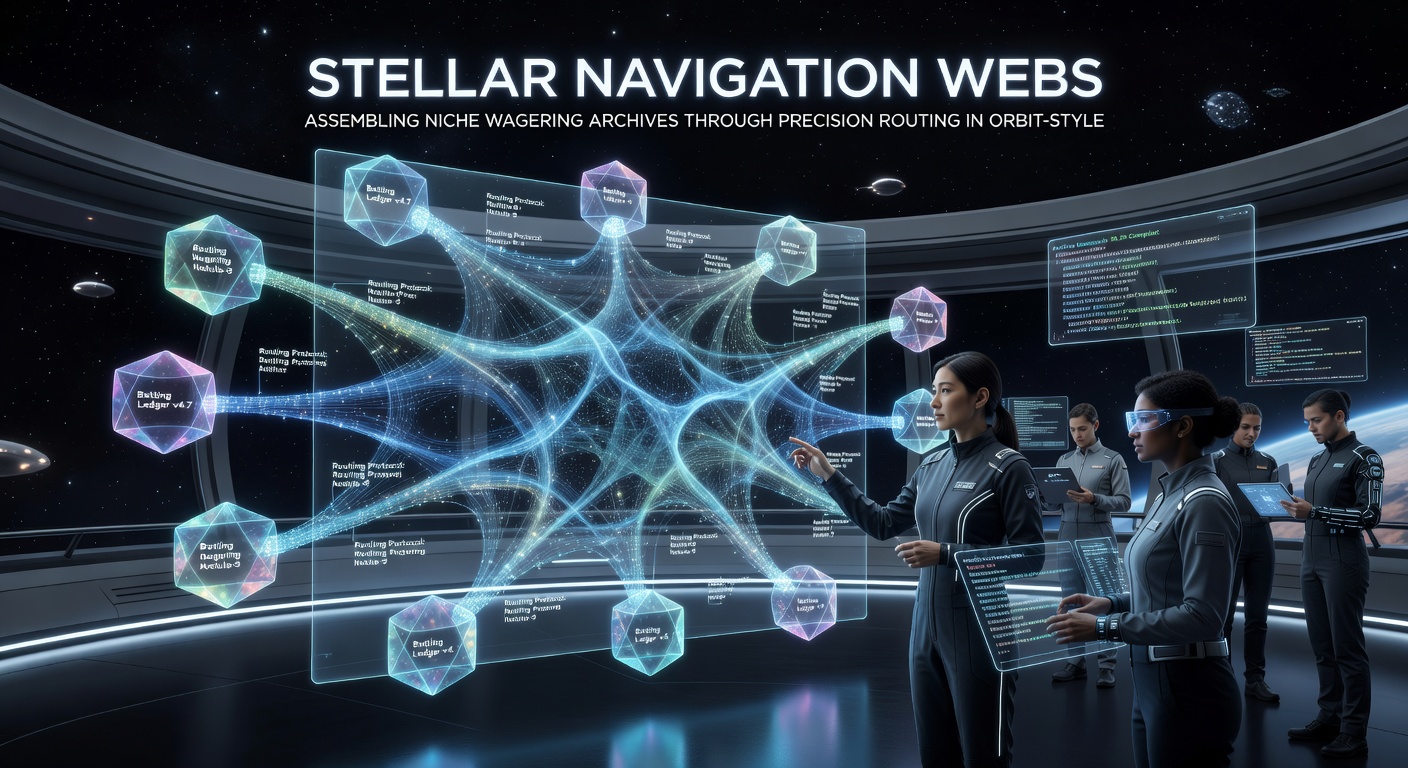
One documented case involves a network of mid-sized hubs that integrated archive-building protocols in late 2025, resulting in expanded access to regional game variants previously difficult to locate. The approach allows operators to update individual catalogs while the web maintains an overarching index, ensuring consistency across nodes. Studies from research groups focused on digital entertainment have tracked how these archives grow through incremental additions rather than bulk uploads, which supports steady performance even as new titles enter circulation.
Developments Observed in May 2026
By May 2026 several orbit-style hubs reported expanded integration with stellar navigation webs, particularly in markets outside traditional regulatory centers. Government data released by the Nevada Gaming Control Board highlighted increased cross-platform traffic patterns consistent with precision routing adoption. Industry associations in Australia documented similar trends, noting that archive depth improved when hubs synchronized metadata through shared protocols rather than direct file exchanges.
These updates coincided with refinements in routing algorithms that prioritize low-bandwidth connections, making the webs more accessible to users in areas with variable internet infrastructure. People familiar with the technical side describe the changes as incremental yet cumulative, with each hub contributing small but meaningful expansions to the overall archive without requiring system-wide overhauls.
Conclusion
Stellar navigation webs continue to evolve as tools for organizing wagering content across independent gaming platforms. Precision routing enables efficient connections between users and niche archives while orbital-style hubs preserve operational independence. Available data indicates steady adoption through 2026, supported by regulatory bodies and research organizations tracking digital gaming infrastructure. The framework demonstrates how distributed systems can scale specialized content libraries without central control, a pattern likely to persist as online gaming networks expand.