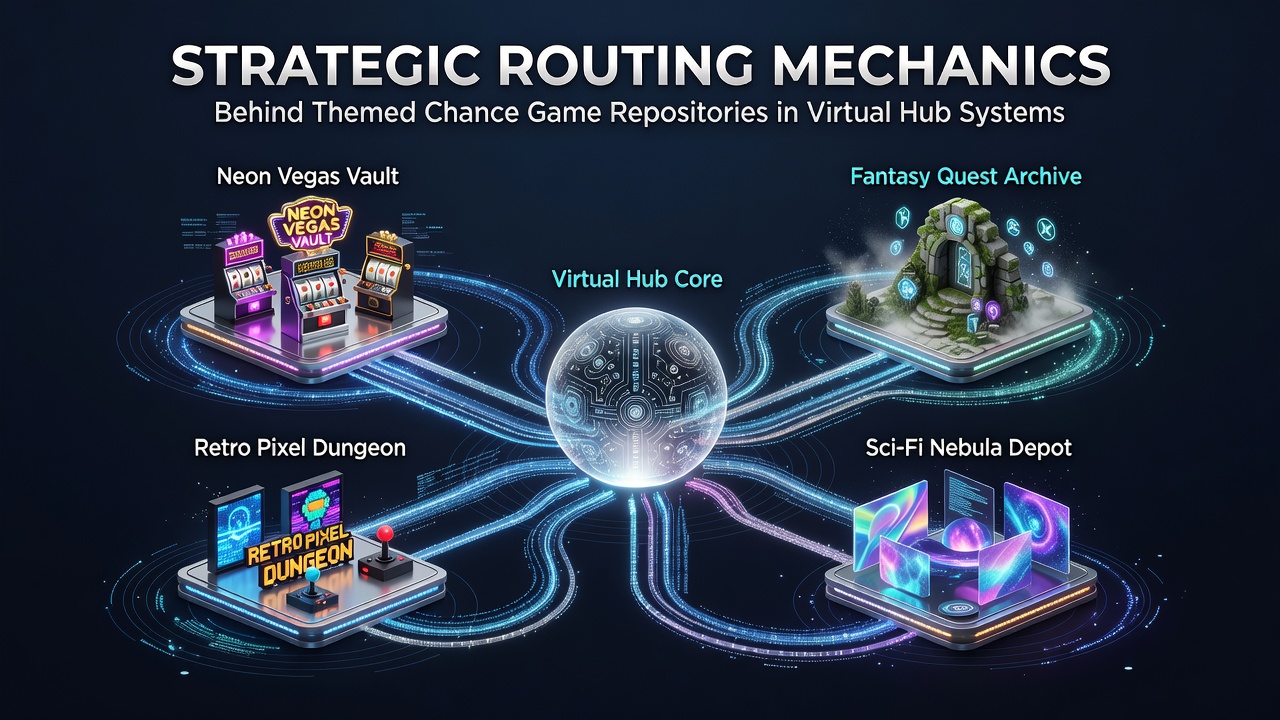
Strategic Routing Mechanics Behind Themed Chance Game Repositories in Virtual Hub Systems
Virtual hub systems serve as centralized platforms that organize and distribute themed chance game repositories through carefully engineered routing mechanics, and these structures rely on layered network protocols to match users with specific game collections based on theme categories such as adventure, fantasy, or simulation environments. Observers note that routing decisions occur at multiple stages, beginning with initial connection requests and extending through dynamic path selection that accounts for server load, geographic latency, and repository availability.
Network Foundations in Virtual Hub Operations
Virtual hubs function as aggregation points where multiple themed repositories connect via high-speed data pathways, and these connections use algorithms derived from graph theory to determine optimal routes for each user session. Data from industry analyses shows that routing tables update in real time to reflect changes in repository status, which prevents bottlenecks when popular themes experience sudden traffic spikes. Researchers at institutions studying distributed systems have documented how shortest-path calculations integrate with predictive models that anticipate demand patterns across different time zones.
Algorithmic Approaches to Themed Repository Access
Strategic routing incorporates several algorithmic layers that prioritize theme relevance while maintaining system stability, and these layers combine deterministic rules with probabilistic elements to balance user requests across available nodes. For instance, one common method applies weighted round-robin distribution adjusted by theme affinity scores that track historical engagement data, whereas another employs machine learning classifiers to route sessions toward repositories whose content aligns with detected user preferences. In July 2026, updates to routing firmware in several major platforms introduced enhanced anomaly detection that further refines these processes by isolating irregular traffic before it affects themed collections.
Load balancing mechanisms sit at the core of these operations because they distribute incoming connections across multiple repository servers without disrupting the thematic integrity of each collection. Experts have observed that virtual hubs often segment repositories into clusters based on content density, allowing routing engines to apply cluster-specific policies that optimize for both speed and thematic consistency. Studies from academic sources indicate that such segmentation reduces average session latency by measurable margins when compared with flat routing structures.
Integration of Geographic and Thematic Factors
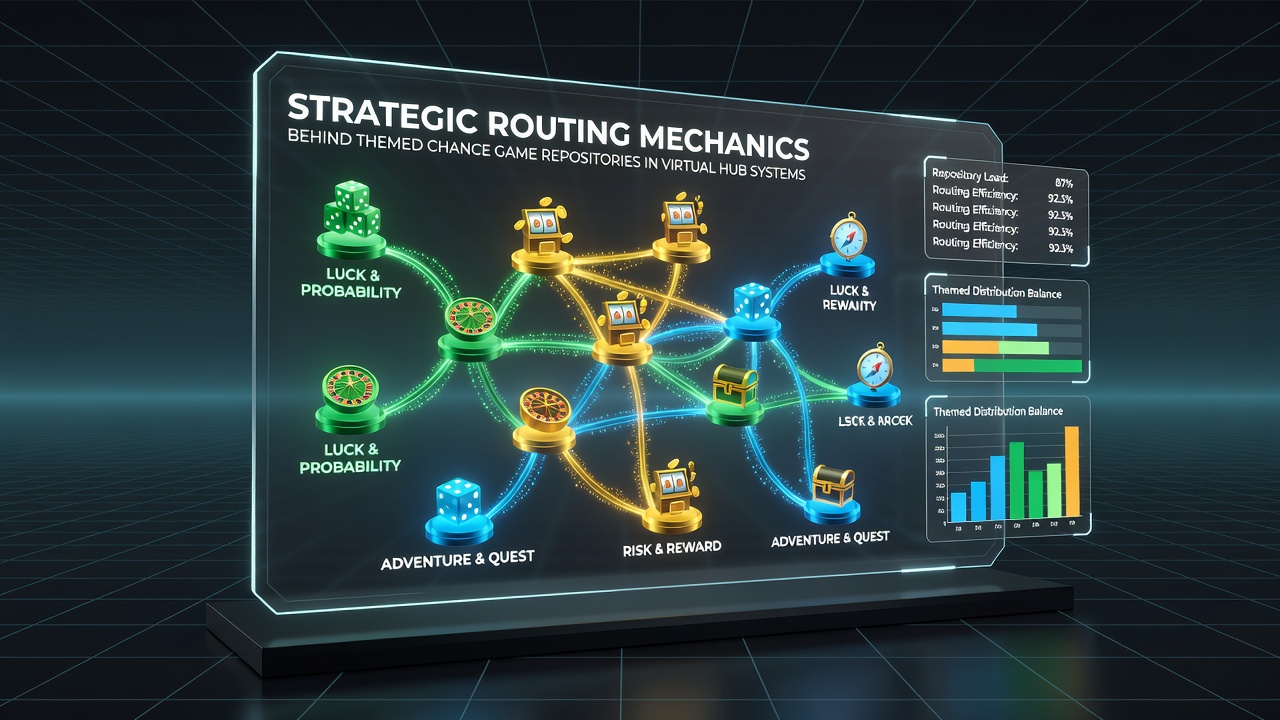
Geographic routing considerations intersect with thematic organization when hubs route users to the nearest available repository that matches requested themes, and this dual focus requires continuous synchronization between location-based servers and content databases. According to reports compiled by the Canadian Gaming Association, platforms that implement geo-themed routing see improved retention metrics because users experience fewer interruptions when accessing specialized collections. European Gaming and Betting Association documentation further highlights how cross-border data flows influence these decisions, especially when regulatory frameworks differ by jurisdiction.
Path redundancy forms another critical component because multiple alternate routes exist between any given user and a target repository, and failover protocols activate automatically when primary paths encounter congestion or hardware issues. Those who have examined system logs note that redundancy planning often incorporates theme-specific priorities, ensuring that high-demand collections maintain backup capacity even during peak periods. This approach relies on heartbeat signals exchanged between nodes to confirm operational status before committing a route.
Security and Compliance Layers in Routing Design
Security protocols embed directly into routing mechanics through encryption handshakes that occur at each hop between hub and repository, and these measures protect both user data and the integrity of chance game outcomes. Compliance requirements add another dimension because routing engines must verify that selected repositories adhere to regional standards before establishing connections, which sometimes results in dynamic exclusion of certain themes based on current regulatory status. Figures from regulatory filings reveal that such verification steps add minimal overhead when implemented through cached compliance tokens updated daily.
Monitoring tools track routing performance across all themed pathways, generating metrics that feed back into algorithm refinement cycles. Observers note that these feedback loops allow systems to adapt to emerging patterns, such as seasonal shifts in theme popularity, without requiring manual intervention. In practice, the combination of automated monitoring and periodic audits maintains both efficiency and accountability within virtual hub environments.
Conclusion
Strategic routing mechanics continue to evolve as virtual hub systems scale to accommodate growing numbers of themed chance game repositories, and ongoing developments in algorithmic design point toward greater integration of real-time analytics with established network principles. The interplay between geographic constraints, thematic organization, and security requirements shapes the pathways that connect users to their chosen collections, while redundancy and compliance layers ensure consistent operation. Data collected through July 2026 and beyond will likely inform the next refinements in these routing frameworks as platforms respond to changing usage patterns and technological capabilities.